
Sports betting has changed dramatically over the last few years.
Markets move faster. Information spreads instantly. Odds adjust in seconds. What used to be an edge is now public knowledge almost immediately.
In 2026, this reality has become impossible to ignore. Winning consistently no longer comes from gut feel, hot takes, or watching more games than everyone else. It comes from having a model.
This shift is not controversial among professionals. It is simply how modern betting works.
For years, many bettors relied on intuition, narratives, or isolated trends. That approach worked when markets were slower and information was uneven.
Today, sportsbooks price lines using advanced analytics and react quickly to new information. By the time a narrative reaches social media, it is already reflected in the odds.
Gut feel still influences decisions, but it is no longer enough on its own. It cannot consistently evaluate hundreds of games, props, and market changes at once.
That is why betting has become a modeling problem.
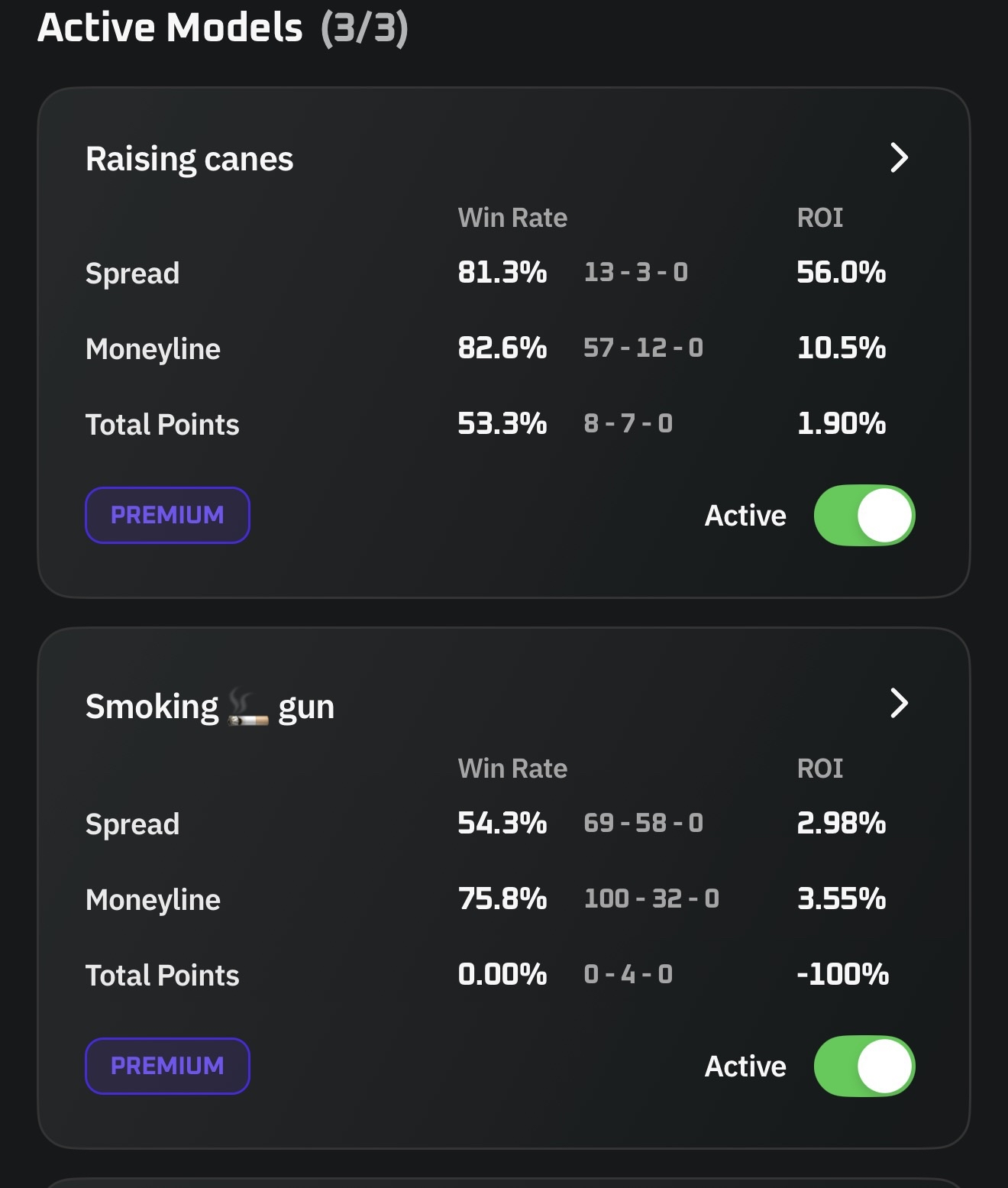
A betting model is not a prediction engine that guesses outcomes.
At its core, a model estimates probabilities. It evaluates how often something should happen based on historical data, context, and current conditions.
The model then compares that estimate to the market price. When there is a meaningful gap, an opportunity exists. When there is not, the bet is ignored.
This is how professionals think about betting. Not as predicting winners, but as comparing probabilities to prices.
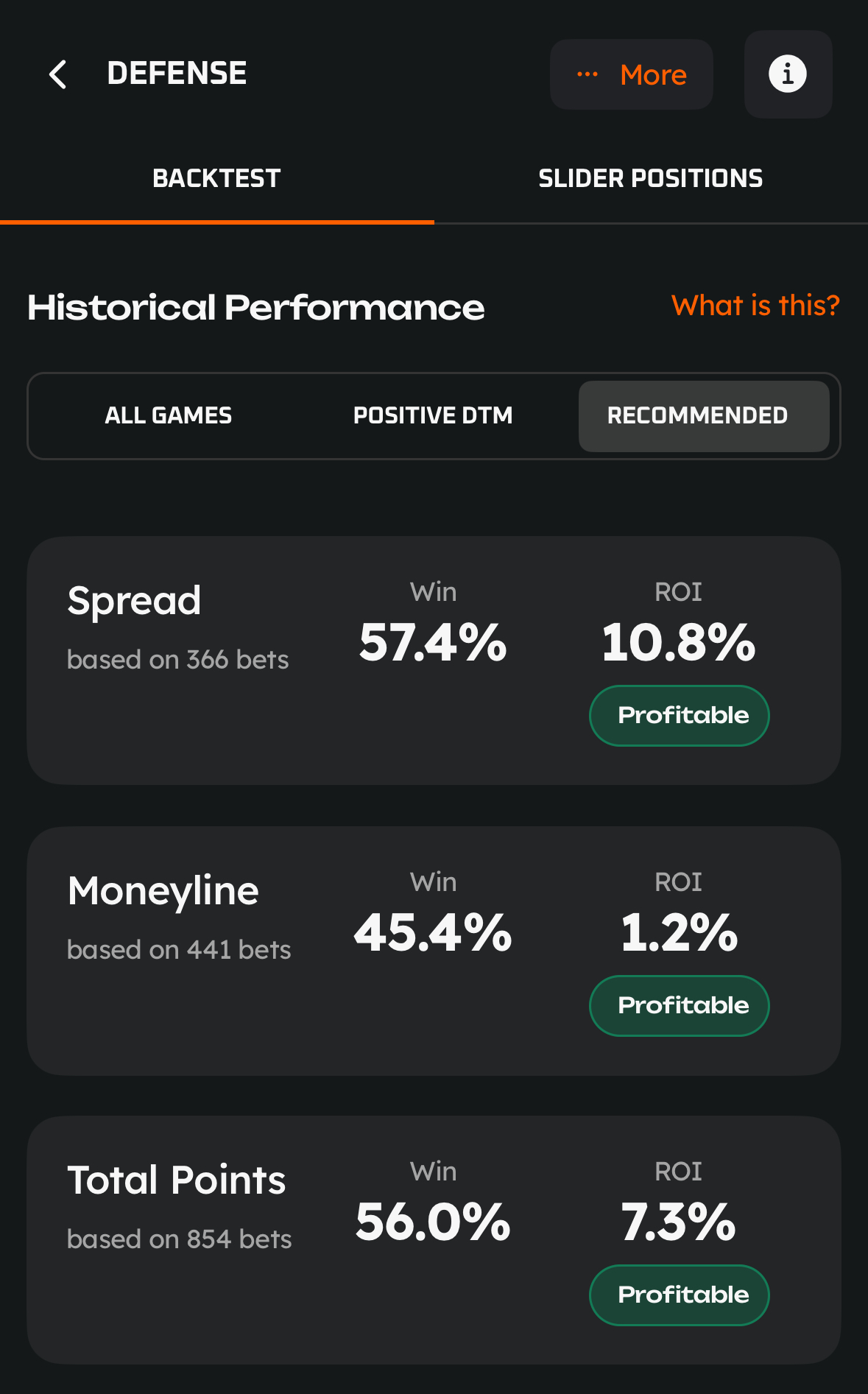
Modern betting markets are efficient. Most lines are close to correct most of the time.
That means edges are smaller and harder to find. They require discipline, consistency, and the ability to ignore noise.
Models excel in this environment because they:
Process more information than humans can
Avoid emotional overreaction
Apply the same logic across every game
Stay consistent over large sample sizes
In short, models scale where intuition breaks down.
Using a model does not mean betting blindly.
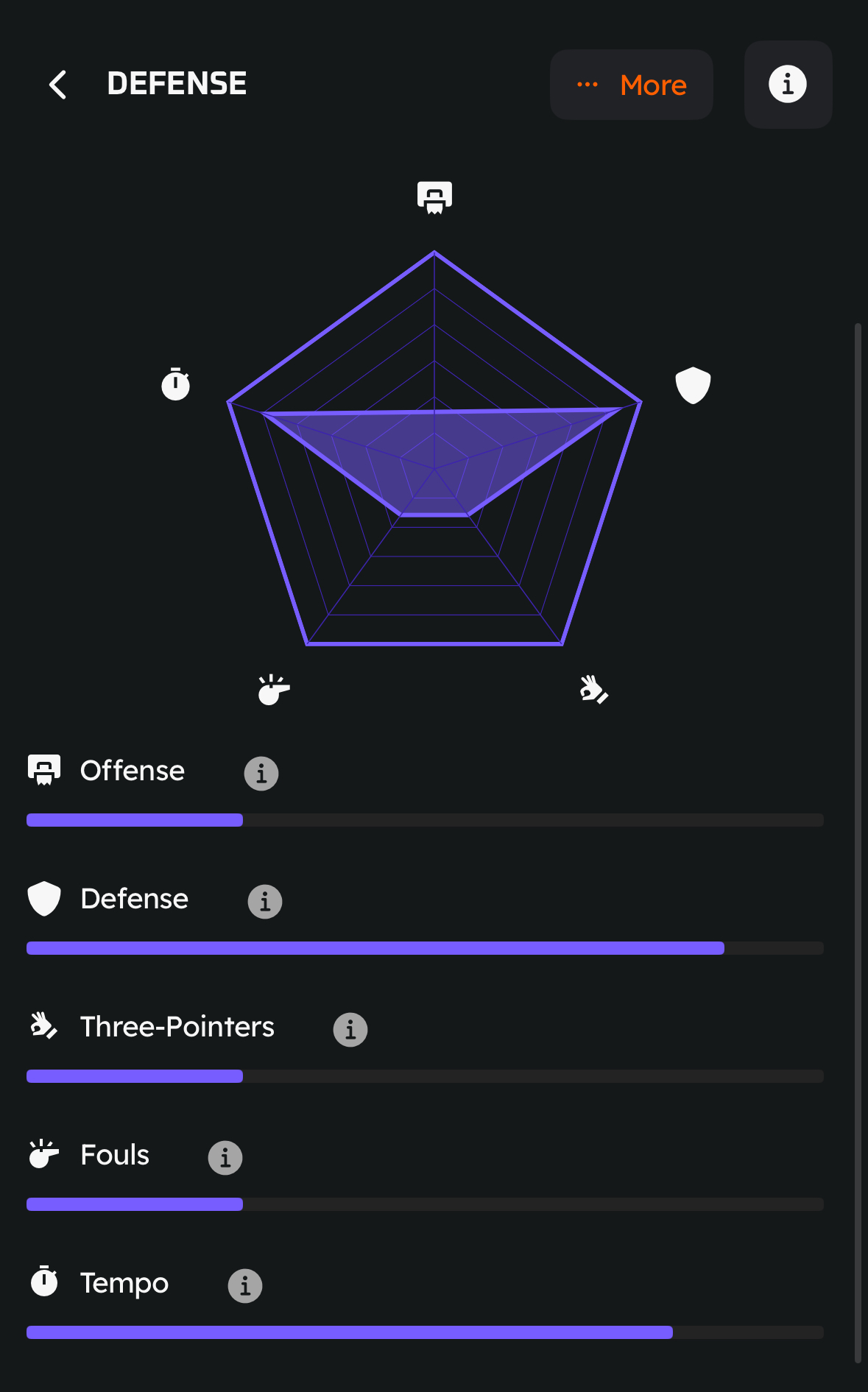
Some bettors want clear, model-backed recommendations that tell them exactly what to play. Others want to validate ideas they already have before committing.
Many bettors switch between both approaches depending on the sport, market, or situation.
That flexibility reflects reality. The model provides the foundation. The bettor decides how to apply it.
This is not a temporary trend driven by hype around AI.
It is the natural result of faster markets, better data, and more competition. As betting becomes more sophisticated, the tools required to compete evolve with it.
Just as analytics became essential in professional sports and finance, modeling has become essential in sports betting.
In 2026, betting without a model is not bold. It is uninformed.
Successful sports betting is no longer about having better opinions. It is about having better probabilities.
Models do not guarantee wins. But they provide structure, consistency, and discipline in an environment where guessing is expensive.
That is why in 2026, bettors who take this seriously rely on models.